

Background
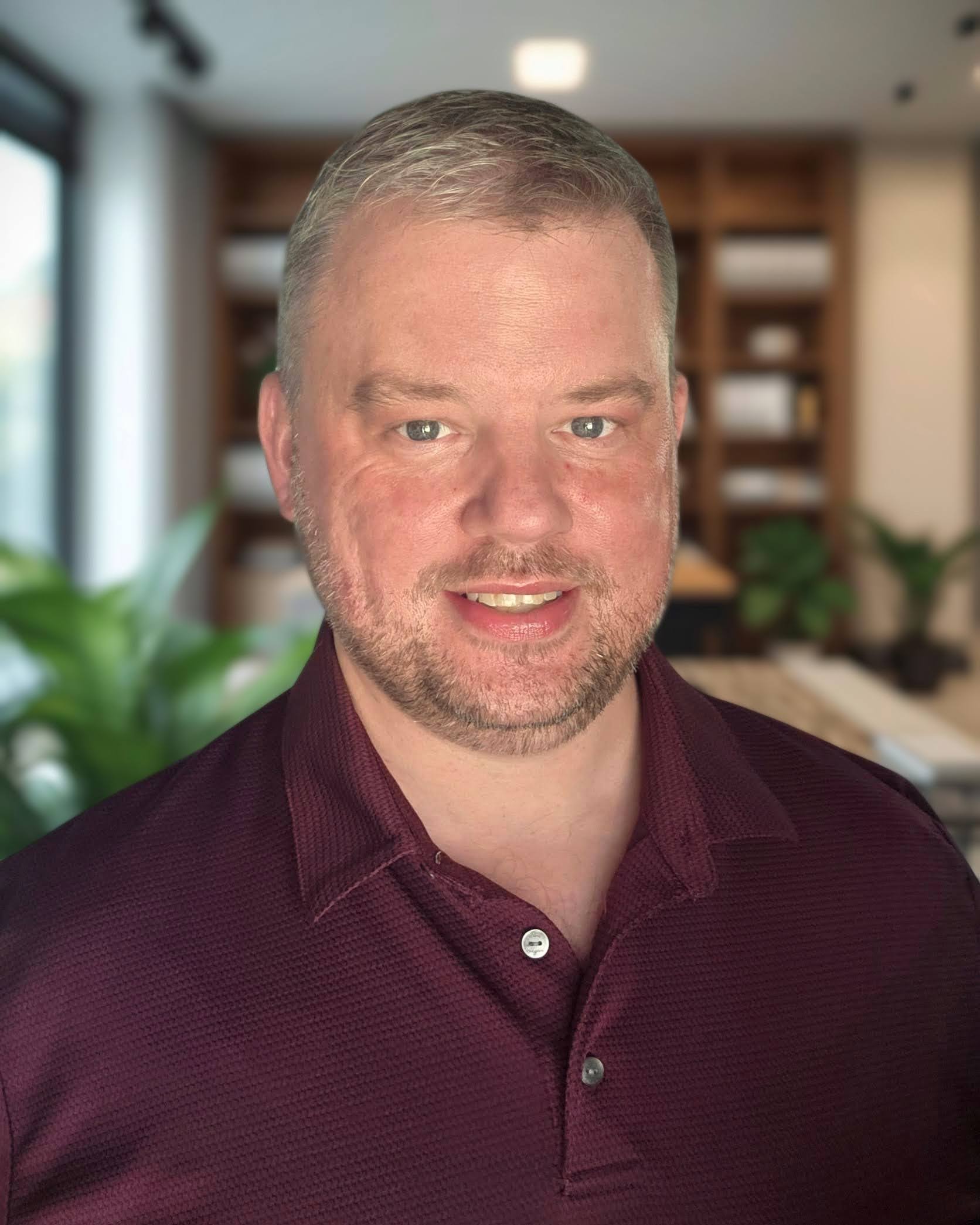
I spent 20 years in operations, starting on the warehouse floor.
At Best Buy, I worked as a warehouse associate, forklift driver, and team lead. Learning the work from the ground up, I saw that returns weren’t being prepared efficiently, so I redesigned the process. It became the standard way my distribution center handled returns.
At Walmart, I work as a driver and a go-between for the retail, distribution, and transportation teams. When I looked at store data, I found there was no historical tracking or trend analysis, so I built it. I also found a way to measure the cost of drivers waiting at stores. Both were adopted well beyond my own team.
The lesson that shaped all of this
Finding the problem was the easy part. Helping people see why it mattered to them was the real work.
Working with large corporations, I learned that showing local leadership a company-wide number doesn’t change much. People acknowledge it and go back to their day, which is fair. It’s a big number that belongs to someone else. So I learned to bring it down one level at a time: the company, then the location, then what it means for the person running that location, in their own bonus. Once the number belonged to them, people acted on it.
That’s how I approach every business now. A number only matters when it belongs to somebody.
What that means for you
If you own one shop, the number already belongs to you. Every call answered and every quote followed up is money in your own pocket. My job is to find where it’s waiting and help you get it.
If you own several locations, you probably see opportunities your managers don’t. My job is to put a number on them where the data allows, and show them in a way each manager will act on.
Either way, I take the boring stuff so you can run the business.
Proving it on a family business
Most recently, I partnered with a family member’s business, CMA 3D & CMA Engraving. Paper orders became a system that tracks every order from start to finish, and it keeps improving as their needs change. See the full case study →
Why I do this
I drive a truck five or six days a week. Part of why I built Keith Group is to be home more, with my family and the work I care about. Money matters, but money can be made again. Time can’t.
A Cornell researcher named Karl Pillemer interviewed more than 1,000 older Americans for his book 30 Lessons for Living. One thing they kept coming back to was time, and how carefully they wished they’d spent it.
That’s what I’m really looking for in your business. At CMA, the two owners used to write every order by hand. Now they take orders at shows in a few clicks, and every order is tracked from start to finish. The hours that gave back are theirs to keep.
From a warehouse floor to a large distribution network to a family-run shop, the pattern is the same: understand what’s really happening, find what it means for the people involved, and build something they’ll actually use.


© 2026 Keith Group LLC
All Rights Reserved
↑
